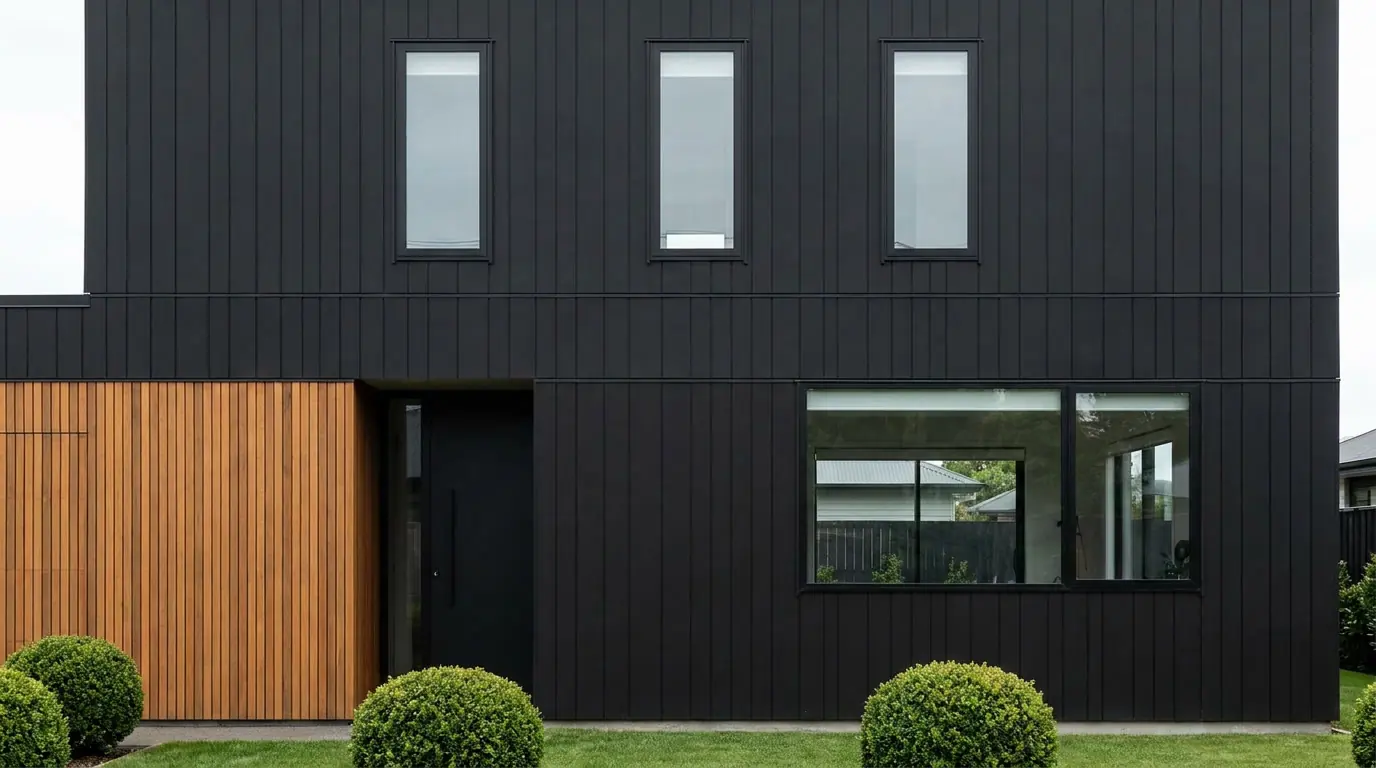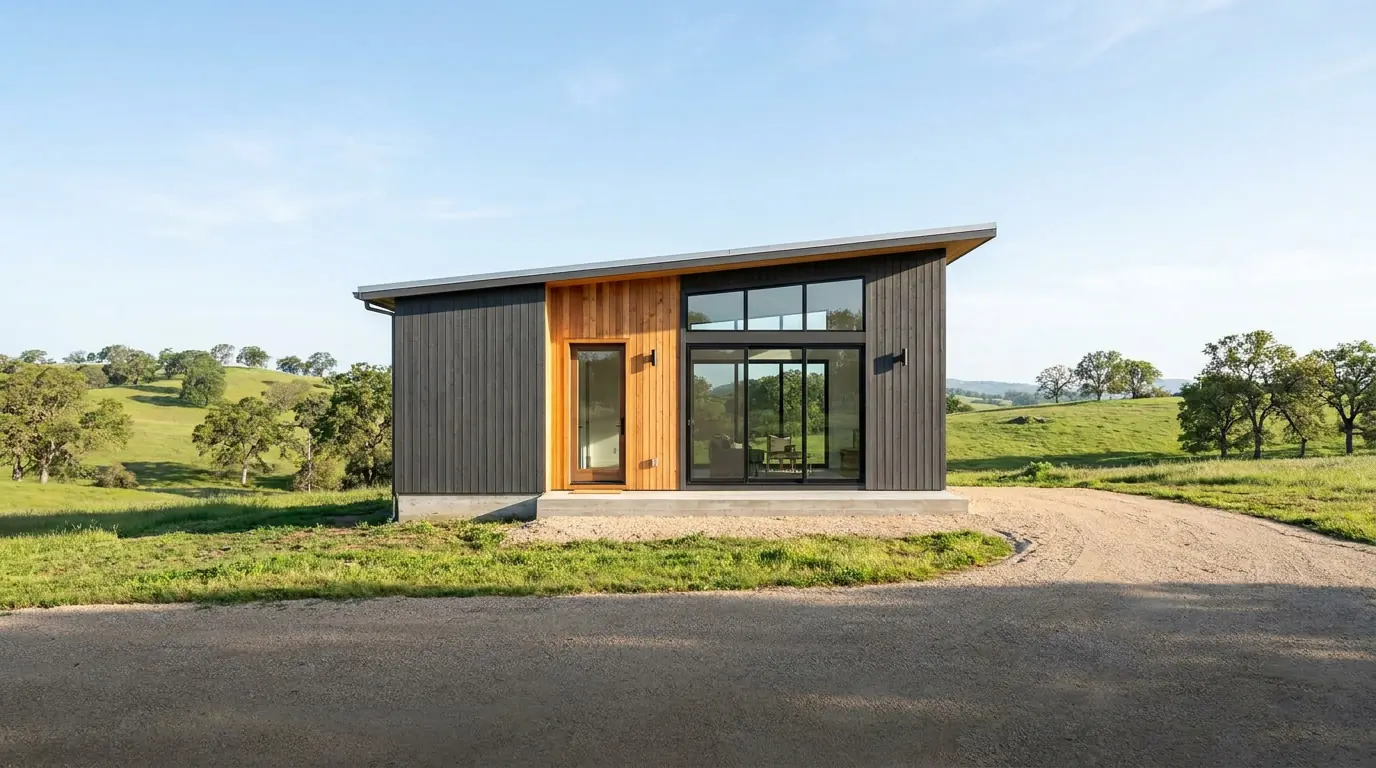
TL;DR: The advertised build price is maybe half your real bill. Land, hookups, permits, transport, insurance and financing add up fast — realistically you're looking at $60,000–$150,000 all-in, not $30,000. Still way cheaper than a regular house. Just not brochure-cheap. Budget an extra third for surprises and thank yourself later.
You've seen the headline: "Build a tiny house for $30,000!"
It's technically true. It's also the most expensive sentence in the tiny house world, because it's the number people build their entire plan around — and it's missing half the bill.
That $30,000 is the shell and the finishes. The part that photographs well. It doesn't include the land under the house. Or the trench that carries water and power to it. Or the permit that makes it legal to sleep in. Or the truck that hauls it to your site, the policy that insures it, and the loan that pays for all of it at a higher rate than any mortgage you've ever heard of.
None of this means a tiny house is a bad idea. It means the honest budget is a stack of line items, not one number. So let's stack them — every single one, with real 2026 prices — and figure out what you'll actually spend.
The house itself: pick your price tag
Even the base build has a huge range, and it comes down to one question: whose hands are doing the work?
- Your hands (DIY): roughly $20,000–$50,000 in materials. The catch? 500–2,000 hours of your own labour. That's not a weekend project — that's a second job for a year.
- A kit or shell: basic kits start around $4,000–$10,000, complete prefabs run a lot higher. Faster, but you get their layout, not yours.
- A professional builder: $50,000–$150,000 turnkey, north of $180,000 for the luxury stuff. You pay for their markup, but also for their mistakes not being yours.
HomeAdvisor's data pegs the average build around $45,000, with most people landing between $30,000 and $60,000. And here's the number that surprises everyone: per square foot, tiny homes run $150–$450. That's more than a regular house.
Why? Because the expensive parts of any house — kitchen, bathroom, plumbing, wiring, heating — don't shrink just because the house does. You're paying full price for all of it and spreading the cost over 200 square feet instead of 2,000. Talk to anyone who's built one and they'll tell you the same thing: the trailer, windows, roof and mechanical systems eat most of the budget. Those are also exactly the things you shouldn't cheap out on.
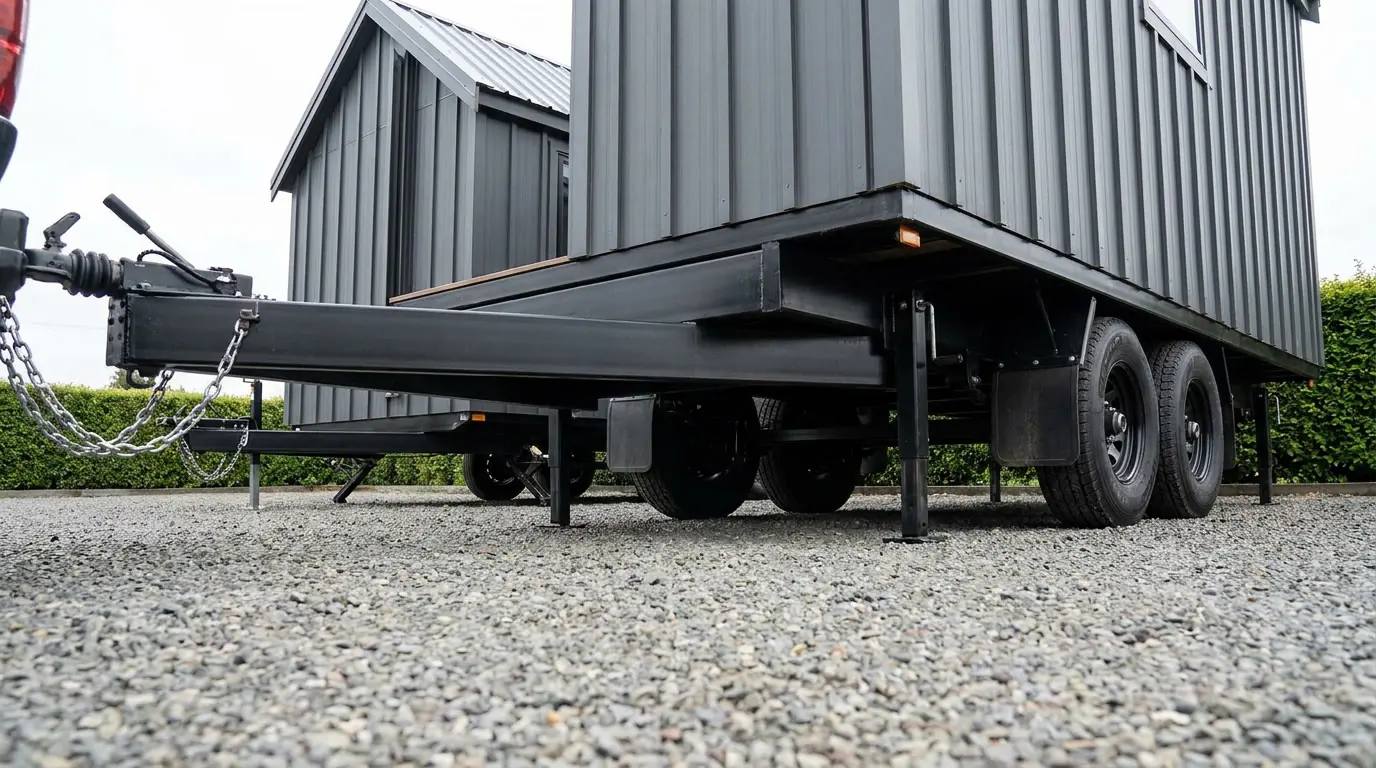
Wheels or foundation? Decide this before anything else
This one choice quietly controls your entire financial life with this house — where you can put it, how you finance it, what it costs to insure, and what it's worth in ten years. So make it deliberately, not by vibes.
On wheels (THOW): $40,000–$80,000 for the home, plus $4,500–$9,000 for a trailer strong enough to carry it. You get mobility. You also get treated as an RV by the law, the bank and your insurer — more on why that stings in a minute.
On a foundation: often $30,000–$60,000 for the home plus a slab at $4–$7 per square foot. But now you need land. Which brings us to the line item nobody budgets for.
Land and site prep: the invisible half of the budget
Here's a fun exercise: go to any tiny house builder's website and try to find the word "land." Take your time. I'll wait.
If your house is going on a foundation, land is often the single biggest line in the whole project. Raw rural acreage starts at a few thousand dollars; a buildable suburban lot in a desirable area can blow past $100,000 — more than the house.
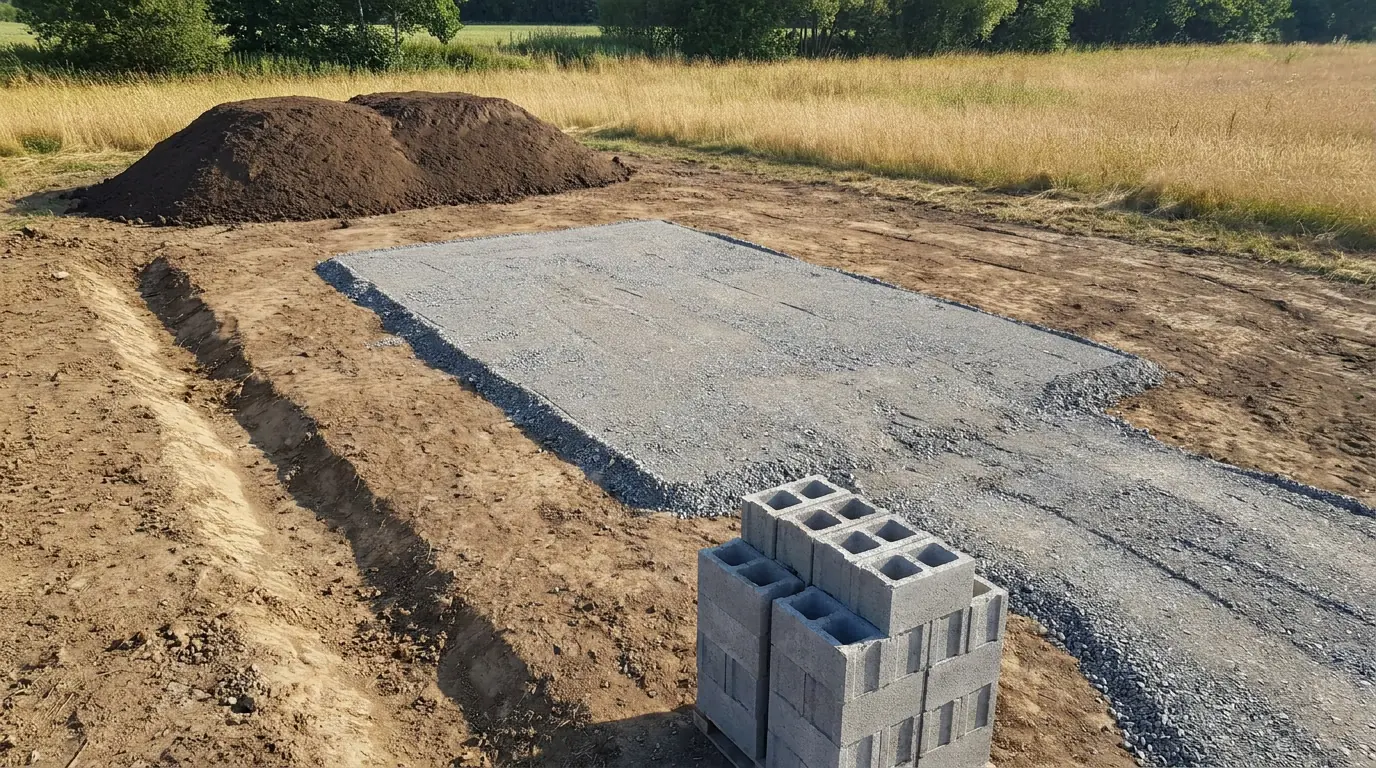
And buying the dirt is just the entry fee. You still have to make it buildable:
- Grading and a gravel pad
- Driveway access
- Getting utilities from the road to your pad
That package runs $5,000–$50,000 depending on two things: how sloped your lot is, and how far you are from existing services. A flat lot next to a road with utilities at the curb is cheap. A gorgeous wooded slope a quarter mile from the nearest water main is a money pit wearing a nice view.
The trench that eats budgets for breakfast
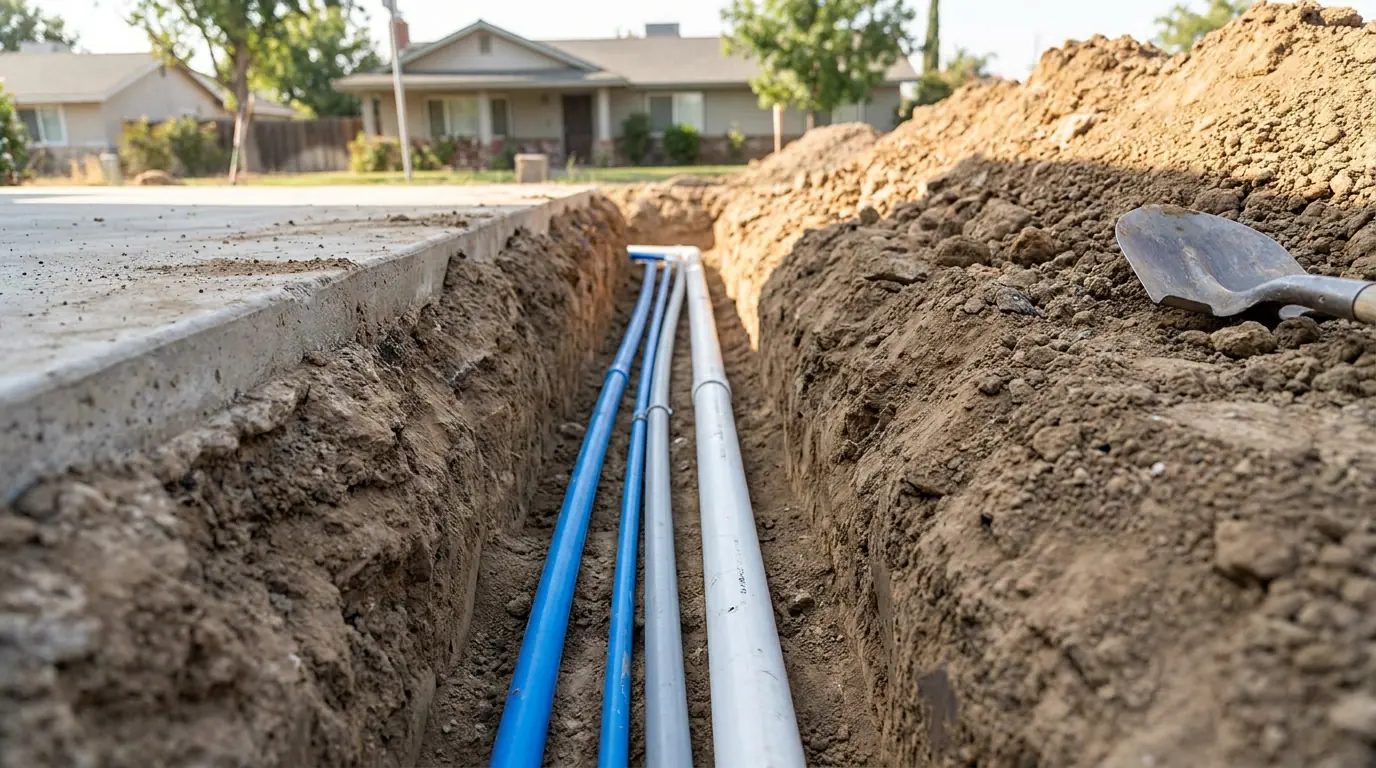
If one line item turns $50,000 dreams into $80,000 realities, it's this one. Hooking up water, electricity and sewer typically costs $3,000–$25,000, driven by trenching distance and your city's tap-in fees.
Need a septic system because you're rural? Add $3,000–$7,000 for a conventional one — and if your soil fails the perc test and you need an engineered system, brace yourself.
"Fine," you say, "I'll just go off-grid." Great instinct, wrong reason. Off-grid doesn't delete these costs — it relocates them:
- Solar sized for full-time living: $10,000–$30,000
- A quality composting toilet: $700–$1,500
- Rainwater catchment and filtration: $500–$2,000+, cistern extra
Off-grid absolutely pays off over the years — near-zero utility bills are real. But the upfront bill is the same size as a hookup, sometimes bigger. Go off-grid because you want independence, not because you think it's free.
Permits and zoning: cheap fee, expensive question
The permit itself? Modest — $500–$3,100, sometimes baked into your builder's quote. That's not the problem.
The problem is a question most people ask way too late: where am I legally allowed to put this thing?
If it's on wheels, the law sees an RV. To get into RV parks and tiny house communities you'll usually need RVIA or NOAH certification, and you're limited to places zoned for it. The plan of "I'll just park it on my friend's land" violates local ordinances more often than it doesn't — and yes, neighbours report it.
If it's on a foundation, you're under residential building code, and things get friendlier: many jurisdictions now allow tiny homes under the IRC's Appendix Q, and the ADU route — a legal backyard cottage behind an existing house — has quietly become one of the most reliable ways to live tiny without fighting city hall.
Rule of thumb: figure out where the house will legally sit before you spend a dollar on the house. A tiny home with nowhere legal to go isn't a home — it's a very expensive storage problem.
Moving it: fine locally, brutal cross-country
On wheels? You'll move it at least once — from the builder to your site. Transport runs $1–$4+ per mile: towing at the low end, flatbed at the top. A local move might cost a few hundred bucks. Anything past 250 miles typically lands between $1,000 and $5,000, and one documented 1,700-mile move came in around $5,100.
The hidden multiplier is width. At the standard 8.5 feet, you tow freely. Go wider and you're an oversize load: wide-load permits in every state you cross, and for the really wide builds, escort vehicles at about $1.50 per mile. Each.
Insurance: a different animal than home insurance
Your regular homeowners policy won't touch a tiny house — it's either "too small" for their underwriting or it's classified as a vehicle. What you'll actually pay:
- Foundation-built, code-compliant: roughly $400–$1,200/year on a dwelling policy
- On wheels: a similar range on an RV or specialty policy — usually requiring that RVIA/NOAH certification again
Rule of thumb from the specialty insurers: about 1–2% of the home's value per year. And read the fine print on wheeled policies: most pay actual cash value, meaning replacement cost minus depreciation. As your house ages, it's worth less and pays out less. Fun combo.
Financing: why the mortgage door is closed
Here's where first-time buyers get genuinely blindsided: you probably can't get a mortgage. Banks don't see real estate when they look at a tiny house — they see an RV or personal property. Your actual options:
- RV loans (certified THOWs only): up to ~$100,000, 10–20 year terms, roughly 6–10% APR with good credit and 10–20% down
- Personal loans: fast and unsecured, but 6–12% and shorter terms
- Builder financing: convenient — read the rate twice
The one exception: a foundation-built home on land you own can sometimes be financed like a small conventional house. If long-term finances matter to you, that fact alone is a strong argument for the foundation.
The bills that never stop
Even fully paid off, a tiny house has a monthly appetite:
- Utilities: $50–$200/month grid-connected
- Lot rent if you don't own land: commonly $300–$1,000+/month in tiny house communities — from ~$200 at budget parks to $700–$900 at gated communities with utilities bundled in
- Maintenance: $500–$1,500/year, plus trailer, axle and tyre wear on wheeled homes
Notice something about lot rent? At $800/month you're paying $9,600 a year to park a house you own. That's the quiet argument for owning dirt.
Resale: the part the sales pages skip
Deep breath, because nobody selling you a tiny house will say this part out loud:
Most tiny houses don't appreciate. Many depreciate.
On wheels, your house behaves like a vehicle: industry tracking suggests a 15–25% value drop in year one and roughly 30–40% gone after seven years. After five years, expect offers around 40–60% of what you paid. A wheeled tiny house is a lifestyle purchase — a great one, potentially — but it is not an investment, and anyone telling you otherwise is selling something.
On a foundation on land you own? Different story. The structure itself still barely appreciates, but the land can — and banks, buyers and insurers all treat the package as real property, which stabilises everything.
One more resale reality: the market is thin. Certified, well-documented homes sell. Quirky custom DIY builds with no paperwork sit for months and then sell at a discount. Build with the next owner in mind even if you never plan to leave.
The full bill, line by line
| Cost item | Typical 2026 range | Notes |
|---|---|---|
| Base build — DIY materials | $20,000–$50,000 | Plus 500–2,000 hours of your labour |
| Base build — prefab/kit | $4,000–$10,000 (kit) / $30,000–$80,000 (complete) | Faster, less customisable |
| Base build — pro turnkey | $50,000–$150,000+ | $180,000+ for luxury |
| Per square foot | $150–$450/sq ft | Higher than a full-size house |
| Trailer (THOW) | $4,500–$9,000 | Ages and depreciates |
| Foundation / slab | $4–$7/sq ft (~$4,000–$15,000) | Plus land |
| Land | $3,000–$100,000+ | Rural vs. suburban |
| Site prep / grading | $5,000–$50,000 | Slope and access dependent |
| Utility hookups | $3,000–$25,000 | Trenching plus tap fees |
| Off-grid solar | $10,000–$30,000 | Full-time system |
| Composting toilet | $700–$1,500 | DIY far cheaper |
| Rainwater / filtration | $500–$2,000+ | Cistern extra |
| Building permits | $500–$3,100 | Sometimes in contractor quote |
| Transport | $1–$4/mile | $1,000–$5,000 for 250+ miles |
| Insurance | $400–$1,200/year | ~1–2% of home value |
| Financing rate | ~6%–12% APR | RV loan or personal loan |
| Lot rent | $300–$1,000+/month | If not on owned land |
| Utilities | $50–$200/month | Grid-connected |
| Maintenance | $500–$1,500/year | More for wheeled homes |
So is it worth it? A "$30,000 tiny house" realistically becomes a $60,000–$150,000 project all-in, and ten years of ownership can run $60,000–$300,000 depending on your choices. That's still often 50–70% below conventional homeownership — genuinely life-changing money. It's just not the number on the brochure. Go in with the real one and you'll be fine.
The five mistakes almost everyone makes
- Budgeting only the house. The hidden stuff adds 15–25% minimum. Plan an extra third and be pleasantly surprised.
- Assuming you can park anywhere. A THOW is legally an RV. Your friend's backyard probably isn't zoned for it.
- Assuming you'll get a mortgage. You won't. Price your loan realistically at 6–12%.
- Calling it an investment. On wheels, it's a depreciating asset. Foundation plus owned land or don't use the I-word.
- Thinking off-grid is free. It's independence you buy upfront, not costs you delete.
Frequently asked questions
Is a tiny house actually cheaper than a regular house?
Overall, usually yes — ten-year cost of ownership often runs 50–70% below a conventional home. But per square foot a tiny house is often more expensive, and the all-in cost after land and hookups is much higher than the advertised build price.
Can I get a mortgage for a tiny house?
Rarely. Lenders classify most tiny houses as RVs or personal property, not real estate. You'll typically use an RV loan for a certified THOW, a personal loan, or builder financing — all at higher rates than a mortgage. A foundation-built home on owned land is the main exception.
Do tiny houses hold their value?
Homes on wheels depreciate like vehicles, often losing 30–40% over seven years. Homes on a permanent foundation on land you own hold value far better, largely because the land does the appreciating.
How much do land and utility hookups really add?
Land ranges from a few thousand dollars rural to $100,000+ suburban. Utility hookups run $3,000–$25,000, and site prep can add $5,000–$50,000. Together these can easily double your build budget.
Can I go off-grid to save money?
Long term, yes — off-grid utility bills can be near zero. But the upfront cost is significant: $10,000–$30,000 for a full solar system, $700–$1,500 for a composting toilet, and $500–$2,000+ for water catchment and filtration.
Building small? The facade question is next
On a compact building, the cladding is the architecture — it's most of what anyone sees, and every material choice hits a small budget harder. If you're eyeing that moody black exterior everyone's pinning right now, read Black house exteriors: the real trade-offs before you commit. Same honesty, applied to the most popular look on the internet.